
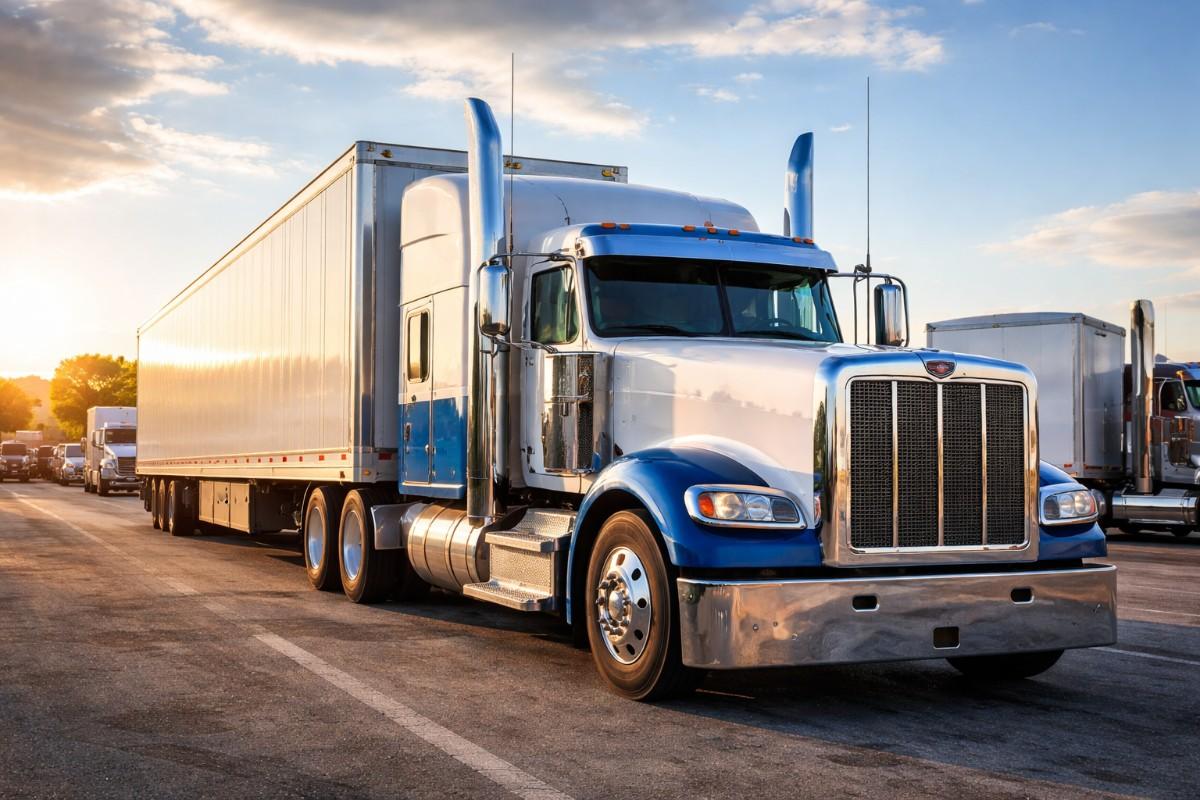
Types of Commercial Truck Insurance Coverage Explained
The trucking industry in the United States operates under strict federal and state regulations and carries significant financial risk. Whether you’re an independent owner-operator, managing a small fleet, or running a large logistics company, understanding insurance for commercial trucking is essential to protect your business, remain compliant, and operate with confidence.
This guide breaks down commercial truck insurance coverage, explaining different truck insurance coverage options, truck coverage requirements, and how various trucking insurance coverages apply to real-world operations across multiple U.S. states.
Why Commercial Truck Insurance Coverage Matters in the U.S.
Commercial trucking businesses in the U.S. must comply with FMCSA and DOT insurance requirements, but meeting only the minimum limits often leaves dangerous coverage gaps. Accidents, cargo damage, lawsuits, and property losses can easily turn into six- or seven-figure liabilities.
The right mix of insurance coverage helps you:
- Protect trucks, trailers, and business assets
- Maintain active DOT authority
- Meet broker and shipper contract requirements
- Operate legally across state lines
- Recover faster after accidents or losses
State-level regulations, employment laws, and insurance enforcement can also vary, making it critical to structure coverage correctly when operating in multiple U.S. states.
Auto Liability Insurance
Auto liability insurance is the foundation of every commercial truck insurance policy in the United States and a core part of overall commercial truck insurance coverage.
What Auto Liability Insurance Covers
- Bodily injury to third parties
- Property damage caused by your truck
- Legal defense costs after accidents
Federal and State Requirements
For interstate trucking, the FMCSA requires minimum limits such as:
- $750,000 for general freight
- $1,000,000 or more for hazardous materials
These limits form the baseline for truck insurance coverage but many fleets and brokers require higher limits—especially for commercial trucking fleet insurance operations.
General Liability Insurance
Truckers general liability insurance protects your business from non-driving-related risks that are not covered under auto liability.
What It Covers
- Third-party bodily injury
- Property damage at shipper or warehouse locations
- Personal and advertising injury claims
This coverage is essential for trucking companies interacting with customers, warehouses, and loading docks, making it a key part of comprehensive trucking insurance coverages.
Physical Damage Coverage
Commercial truck physical damage insurance protects your truck, tractor, or trailer from physical loss regardless of fault.
Types of Physical Damage Coverage
- Collision coverage – Accidents, rollovers, and impact damage
- Comprehensive coverage – Theft, fire, vandalism, weather events, and animal strikes
This type of trucking physical damage insurance is especially important for owner-operators and financed equipment, and it plays a major role in long-term truck coverage planning.
Motor Truck Cargo Insurance
Commercial cargo insurance coverage protects the freight you haul rather than the vehicle itself.
What Cargo Insurance Covers
- Theft or loss of cargo
- Damage during transit
- Accidents or overturns
Many brokers require specific commercial cargo insurance coverage limits before dispatching loads, making this a critical part of overall commercial truck insurance coverage.
Owner-Operator Truck Insurance
Owner-operators need customized truck insurance coverage based on how and where they operate.
Common Coverages Included
- Auto liability
- Cargo insurance
- Commercial truck physical damage insurance
- Truckers general liability insurance
A properly structured commercial truck insurance policy helps owner-operators avoid gaps when switching carriers or operating across state lines.
Non-Trucking Liability (Bobtail Insurance)
Non-trucking liability insurance covers personal or non-business use of a commercial truck.
What It Covers
- Accidents when not under dispatch
- Driving home or to maintenance facilities
Who Needs It
- Leased owner-operators
- Drivers whose carrier coverage applies only during active dispatch
This coverage is particularly important in states with strict liability enforcement such as California and New Jersey.
Optional but Valuable Commercial Truck Insurance Coverages
Depending on your operation and state requirements, additional coverage may be necessary:
- Trailer Interchange Insurance – For non-owned trailers
- Workers’ Compensation Insurance – Required in many states if you have employees (e.g., California, Illinois, Pennsylvania)
- Occupational Accident Insurance – Common alternative for owner-operators
- Uninsured / Underinsured Motorist Coverage – Protects against inadequately insured drivers
How to Choose the Right Coverage for Multi-State Operations
When operating across states like Arizona, Texas, Virginia, Michigan, and South Carolina, coverage selection should consider:
- Interstate vs intrastate hauling
- Cargo value and type
- Fleet size
- Broker and shipper requirements
- State labor and insurance laws
A policy designed for one state may leave coverage gaps when expanding operations.
Common Mistakes U.S. Truckers Make
- Buying only minimum liability coverage
- Skipping general liability insurance
- Underinsuring cargo value
- Not updating policies as fleets grow
- Ignoring state-specific contract requirements
Avoiding these mistakes can prevent denied claims and regulatory penalties.
FAQ: Commercial Truck Insurance Coverage
What insurance is required for commercial trucking in the United States?
At a minimum, commercial trucking businesses must carry auto liability insurance that meets FMCSA requirements. Most operations also need cargo insurance, physical damage coverage, and general liability insurance depending on cargo type, contracts, and state regulations.
What does commercial truck insurance coverage include?
Commercial truck insurance coverage typically includes auto liability, cargo insurance, physical damage insurance, general liability, and optional coverages such as trailer interchange and uninsured motorist protection.
Is commercial cargo insurance coverage mandatory?
Cargo insurance is not federally mandatory for all carriers, but most brokers and shippers require commercial cargo insurance coverage before assigning loads, making it essential for daily operations.
What is the difference between trucking physical damage insurance and liability insurance?
Trucking physical damage insurance covers damage to your own truck from accidents, theft, or weather events, while liability insurance covers injuries or property damage caused to others.
Do owner-operators need a separate commercial truck insurance policy?
Yes, owner-operators often need a customized commercial truck insurance policy to avoid coverage gaps, especially when operating under their own authority or leasing onto different carriers.
How much truck insurance coverage do fleet owners need?
Fleet owners typically require higher liability limits, broader cargo coverage, and fleet-specific policies such as commercial trucking fleet insurance to manage risk across multiple vehicles.
Does truckers general liability insurance cover loading and unloading accidents?
Yes, truckers general liability insurance often covers third-party injuries or property damage that occur during loading, unloading, or while operating at customer locations.
Final Thoughts
Understanding insurance for commercial trucking goes beyond meeting minimum legal requirements. The right combination of truck insurance coverage, commercial cargo insurance coverage, and trucking physical damage insurance protects your assets, drivers, and long-term profitability.
For businesses managing multiple trucks or growing operations, investing in a well-structured commercial trucking fleet insurance strategy ensures compliance, reduces risk, and supports sustainable growth across U.S. states.